How to Season a New Smoker Before You Cook
To season a new smoker, clean it, coat bare interior metal lightly with cooking oil, then run it hot with no food. Follow the owner's manual for the temperature and time, since smoker designs and finishes differ.
On this page (8 sections)
- How do you season a smoker safely?
- What should you check before the first burn?
- How does seasoning differ by smoker type?
- Do you need wood chips during the seasoning burn?
- What should you do after the smoker cools?
- What gear helps during smoker seasoning?
- How do you know the smoker is ready for food?
- How to season a smoker before your first cook
To season a new smoker, clean it, lightly oil bare interior metal if the manual allows, and run it empty at the specified temperature and time. This first burn helps prepare the cooking chamber and clear residue before food goes in.
The right process depends on the smoker's material and fuel. Check the owner's manual first, especially for coated interiors, electric heating parts, gas burners, and instructions about factory finishes.
How do you season a smoker safely?
Follow the smoker manual's first-use steps, then run the smoker without food. Work outdoors on a stable, nonflammable surface, away from walls, overhangs, dry leaves, and anything else that could catch fire.
Start with the smoker cool and unplugged, or with its fuel shut off. Remove packaging, labels, and loose debris, but leave any factory coating in place unless the manual says to remove it.
If the manual permits oil, wipe a thin layer over bare interior metal with a clean cloth. Don't oil painted surfaces, seals, a burner, a heating element, or other parts that the manual excludes.
Run the smoker at the temperature and for the time the manufacturer specifies. Stay nearby, keep children and pets away, and use heat-safe gloves when handling hot parts.
What should you check before the first burn?
Read the manual for the approved temperature, duration, cleaning method, and parts to remove. These directions matter because a charcoal smoker, propane smoker, and electric smoker can have different first-use steps.
Check that the cooking grates, water pan, ash catcher, and door are installed as directed. Make sure vents are open or set to the manual's starting position.
Use a smoker temperature gauge to check the chamber if your unit's built-in display seems unclear. The BBQ Smoker Temperature Gauge 2-Pack includes two analog gauges with 2-inch dials and screw threads and wing nuts for mounting.
Only install a gauge where the smoker manufacturer allows one. The temperature near a door or wall may differ from the temperature where food sits.
How does seasoning differ by smoker type?
The basic goal is the same, but the fuel and first-run instructions change by smoker type. Use the directions written for your model rather than copying a burn schedule from another design.
How do you season an electric smoker?
Use the electric smoker's manual for its first empty run and wood-tray instructions. Keep water and oil away from the heating element, wiring, and controls.
Don't add chips unless the manual says to use them during seasoning. For a first cook after the burn, our guide to how to use an electric smoker can help you understand the basic setup.
How do you season a charcoal or offset smoker?
Build and manage the first fire as the manual directs, with vents set for safe airflow. Keep the smoker outside and don't leave charcoal burning unattended.
Use a charcoal-specific method for lighting and temperature control. Our walkthrough on how to use a charcoal smoker explains how to start and manage a first cook, while the offset smoker walkthrough covers fire management for that layout.
How do you season a propane smoker?
Follow the manual's burner and ignition steps, and check for leaks before lighting if the instructions call for it. Keep the cylinder upright and outside the smoker cabinet.
Don't put oil or wood chips on a burner or heat shield. For operating steps after seasoning, see how to use a propane smoker.
Do you need wood chips during the seasoning burn?
Add chips only if your smoker's first-use instructions call for them. The seasoning burn is not a food cook, so smoke flavor is not the goal.
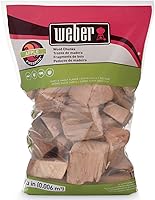
If the manual allows wood during the first run, use a small amount in the smoker's designated tray or box. Weber Apple Wood Chips are chip-size pieces with a subtle, sweet flavor for foods such as poultry and pork.
Don't put chips directly on an electric element or gas burner unless the smoker is designed for that use. Learn more about choosing smoke wood in our guide to the best wood for smoking.
What should you do after the smoker cools?
Let the smoker cool fully, then inspect the interior and grates before cooking. Follow the manual if it calls for another burn or a specific cleanup step.
A little discoloration or residue may be normal after a first burn, but don't assume that a flaking coating or unusual damage is safe. Contact the manufacturer if the interior finish looks damaged or the manual does not explain what you see.
Wash or wipe parts only as instructed. Our guide to how to clean a smoker covers routine care after cooking.
What gear helps during smoker seasoning?
Use gear that supports temperature checks and safe handling. You don't need special accessories if your smoker already has clear temperature controls and the manual explains the process.
The RAPICCA Heat Resistant BBQ Gloves have a 14-inch sleeve, a textured palm, and a waterproof neoprene coating. They can help cover your hands and forearms when moving hot, greasy, or wet smoker parts.
Use gloves only for their intended heat-handling tasks and follow their care instructions. They don't replace turning off fuel, unplugging equipment, or waiting for parts to cool.
How do you know the smoker is ready for food?
Cook only after the seasoning steps are complete, the smoker has cooled as directed, and the interior is ready according to its manual. Remove any loose residue with the approved cleaning method.
For the first cook, choose a simple recipe and keep notes on temperature changes. If you're still choosing a smoker type, compare electric, charcoal, and propane smokers before you buy.
How to season a smoker before your first cook
When deciding how to season a smoker, let the owner's manual set the cleaning, oiling, fuel, temperature, and timing steps. Run the unit empty, stay nearby during the burn, and wait for it to cool before checking the cooking surfaces.
Use the gauge pair if your smoker supports added thermometers, and gloves for hot handling. Add apple chips only when the manual directs you to use wood during the first run.
Frequently asked questions
How do you season a smoker for the first time?
Clean the smoker as its manual directs, coat bare interior metal lightly with cooking oil if the manufacturer allows it, then run it empty at the specified temperature and time. Keep food out during the burn, let the smoker cool, and check the manual before adding wood or removing any factory coating.
Do you need oil to season a smoker?
Oil is commonly used to protect bare interior metal during seasoning, but check the smoker's manual first. Some finishes or coated surfaces may have different care instructions, and you should not coat heating elements, burners, seals, or painted exterior areas.
Should you use wood chips when seasoning a smoker?
Use wood chips during seasoning only if the smoker's instructions call for them. Many smokers need an empty burn to remove manufacturing residue, while some electric or gas models have specific first-run steps for the wood tray or burner.
How long should a new smoker burn before cooking?
Use the time and temperature in your smoker's manual because seasoning instructions vary by model and finish. Keep the smoker empty for the full burn, then let it cool and inspect the interior before cooking.