How to Use an Offset Smoker: Beginner's Walkthrough
To use an offset smoker, build a small fire in the firebox, keep the exhaust open, and adjust the intake vent to control heat. Let the cooking chamber settle before adding food, then add fuel in small amounts as needed.
On this page (9 sections)
- What do you need before using an offset smoker?
- How do you prepare the smoker before lighting it?
- How do you light an offset smoker?
- How do you control heat and smoke?
- Where should the food go in an offset smoker?
- How do you keep the fire going during a cook?
- How do you shut down and care for an offset smoker?
- What should you do if your offset smoker will not hold temperature?
- What is the simplest first cook plan?
To use an offset smoker, build a small fire in the firebox, keep the exhaust open, and control heat with the intake vent. Let the cooking chamber settle before adding food, then feed the fire in small amounts and watch the chamber temperature.
An offset smoker cooks with heat and smoke drawn from a separate firebox into the cooking chamber. That setup gives you control over the fire, but it also means you need to tend it during the cook.
What do you need before using an offset smoker?
You need fuel, a way to light it, a chamber thermometer, and heat-safe handling tools. Start with the smoker's manual for assembly, ventilation, and first-use instructions.
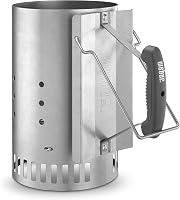
Use charcoal to establish the fire, then add small pieces of dry smoking wood if you want wood smoke. A chimney starter can light charcoal without lighter fluid.
Keep gloves near the smoker for handling hot grates and firebox parts. The RAPICCA gloves have a 14 in sleeve and a textured palm to help grip hot, wet, or greasy items.
Place the smoker outdoors on a stable, noncombustible surface, away from buildings and anything that can catch fire. Never use a charcoal smoker in a home, garage, or enclosed space.
How do you prepare the smoker before lighting it?
Check that the smoker is assembled, clean, and placed safely outdoors before adding fuel. If it is new, season it according to the manufacturer’s instructions before cooking.
Remove ash and leftover debris from the firebox and cooking chamber. Check that the cooking grates sit securely and the firebox and exhaust vents can open and close.
A smoker thermometer helps you track the chamber temperature, but a built-in gauge may not show the exact temperature where food sits. If you add or replace a gauge, install it as directed and compare its reading with a separate grate-level thermometer.
For a first cook, pick a forgiving cut and allow extra time to learn how your smoker responds. If you are still choosing a model, compare the types in our charcoal offset smokers guide.
How do you light an offset smoker?
Start a modest charcoal fire in the firebox, with the exhaust open and intake vent open. Once the charcoal is burning steadily, use the intake to adjust airflow and bring the chamber toward your cooking temperature.
- Open the firebox intake and cooking chamber exhaust.
- Light charcoal in a chimney starter or by the method in your smoker manual.
- Pour the lit charcoal into the firebox, keeping it in a compact pile.
- Close the firebox door and let the chamber temperature begin to rise.
- Add a small wood split when the charcoal is burning steadily.
Avoid filling the firebox to the top. A smaller fire is easier to control, and you can add fuel as needed.
The Weber Rapidfire Compact Chimney Starter is a compact design for smaller grills or shorter grilling sessions. It fits the Smokey Joe and Jumbo Joe charcoal grills.
If you are new to charcoal, our first-use charcoal smoker guide explains the basic lighting and airflow process for a different smoker style.
How do you control heat and smoke?
Use the firebox intake to manage airflow, keep the exhaust open, and make small changes. A larger fire and more airflow usually raise heat; reducing airflow can lower it, but changes take time to affect the chamber.
Give each adjustment several minutes before making another. Opening the cooking chamber too often releases heat, so use the thermometer and look through the vent or firebox door when possible.
Add wood in small amounts. Thick, heavy smoke can leave food with a harsh flavor; aim for light smoke and a steady fire.
Why is the smoker temperature rising or falling?
Temperature changes in an offset smoker can follow shifts in airflow, fuel, weather, or how long the cooking chamber has been open. Check the fire before making a large vent adjustment.
If the chamber runs hot, reduce the intake slightly and let the temperature respond. If it runs low, check for ash blocking airflow, then add a small amount of fuel if the fire is fading.
Wind and cold can affect how quickly a smoker loses heat. Keep the smoker sheltered from strong wind while maintaining safe clearance from walls and other objects.
Where should the food go in an offset smoker?
Put food in the cooking chamber, with space around each piece so heat and smoke can move. The side closest to the firebox may run hotter, so check the temperature at the grate and rotate food only when needed.
Keep food away from direct contact with the chamber walls. For longer cooks, arrange larger pieces toward the hotter end if you need them to finish sooner, then move them as the cook progresses.
Use a food thermometer to check doneness in the thickest part of the food. A chamber temperature alone cannot tell you whether meat is cooked safely.
If you are cooking a large brisket or a rack of ribs, see our guides to choosing a smoker for brisket and smokers for ribs.
How do you keep the fire going during a cook?
Keep a small, active bed of coals and add fuel before the fire dies down. Open the firebox briefly, add a small amount of charcoal or a wood split, then close it and let the chamber recover.
Avoid adding too much cold fuel at once, since it can cause a temperature dip and produce heavy smoke while it catches. Clear ash when airflow becomes restricted, following the smoker manual and using a metal ash container.
Keep a log of vent positions, fuel additions, and chamber readings during your first few cooks. Those notes help you learn how quickly your smoker responds in your yard.
How do you shut down and care for an offset smoker?
Stop adding fuel, close the vents as the manual directs, and let all coals and ash cool completely. Never leave a lit smoker unattended or empty ash into a trash bin while it may still be hot.
After each cook, scrape food residue from the grates and remove ash when safe. For a deeper routine, follow our guide to how to clean a smoker.
A weather cover can help protect an offset smoker between cooks, but let the smoker cool fully before covering it. The iCOVER cover measures 60 x 28 x 37.5 in, so check your smoker’s dimensions before choosing it.
What should you do if your offset smoker will not hold temperature?
Check airflow, fuel, and leaks before changing several things at once. Confirm that the intake and exhaust are open, ash is not blocking the fire, and the fuel is dry.
If the temperature stays low, add a small amount of fuel and give it time to catch. If it runs high, make a small intake adjustment and wait for the chamber to respond.
A lid or firebox door that does not close properly can make heat control harder. Check the smoker manual for adjustments or replacement parts rather than sealing openings that are meant for airflow.
What is the simplest first cook plan?
For your first cook, use a small fire, keep the exhaust open, and make gradual intake changes. Choose food that tolerates a longer cook, and give yourself time to learn the smoker before planning a meal around a tight schedule.
Pick an offset smoker if you want to tend a live fire and adjust airflow during cooking. If you prefer a simpler approach to charcoal, start with how to use a charcoal smoker; for model choices, compare the best offset smokers.
Frequently asked questions
How do you start an offset smoker?
Start with a clean firebox and dry fuel. Light a small charcoal fire, keep the exhaust fully open, and adjust the intake to bring the cooking chamber toward your target temperature.
Add a small wood split once the charcoal is burning steadily, then wait for the smoke to thin before cooking.
Should the exhaust vent stay open on an offset smoker?
Yes, keep the exhaust open while cooking so smoke and combustion gases can leave the chamber. Use the firebox intake vent to manage airflow and heat.
Closing the exhaust can trap stale smoke and make temperature control harder.
How often should you add wood to an offset smoker?
Add a small split when the fire needs more heat or smoke, rather than loading the firebox with several pieces at once. The timing depends on the smoker, fuel, weather, and cooking temperature.
Watch the chamber thermometer and the fire, and wait for clean, light smoke after each addition.
Can you use charcoal briquettes in an offset smoker?
Yes, charcoal briquettes can provide a steady base fire in an offset smoker. Add wood splits for smoke flavor and keep the fire small enough to control.
Lump charcoal is another option; compare how the two fuels burn in our guide to lump charcoal versus briquettes for smoking.