How to Make Jerky in an Electric Smoker
To make jerky in an electric smoker, cure strips of lean meat first, then dry them low and slow at 165 to 175°F with the vent open so moisture can escape. Pull the batch when a strip bends without snapping and no wet spots remain.
On this page (9 sections)
- Why an electric smoker works well for jerky
- What cut of meat makes the best jerky?
- How do you cure the meat before smoking?
- What temperature and time should you use?
- How do you load wood chips for jerky?
- How do you know when the jerky is finished?
- Which gear makes the drying easier?
- How should you store the finished jerky?
- What mistakes should you avoid on your first batch?
To make jerky in an electric smoker, cure strips of lean meat first, then dry them low and slow at 165 to 175°F with the vent open so moisture can escape. Pull the batch when a strip bends without snapping and no wet spots remain.
An electric smoker suits jerky well because the heating element and thermostat hold a steady low temperature for hours. You set the heat, load the chips, and let the drying happen without tending a fire.
The work is mostly in the prep.
Why an electric smoker works well for jerky
An electric smoker is a good jerky machine because it holds a stable low temperature without a fire to feed. Jerky needs steady, gentle drying more than it needs heavy smoke, and that is exactly what a thermostat-controlled cabinet delivers.
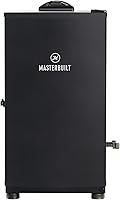
The 800W element and digital controls on a unit like the EAST OAK 30 keep the heat even. You set a temperature and a 12-hour timer, and the smoker cycles the element to hold that band.
There is no damper to chase or charcoal to replenish.
The main thing to watch is airflow. Jerky dries by evaporation, so moisture has to leave the cabinet.
A smoker with a top vent you can open wide is better suited than a sealed box. For a wider look at how these cabinets compare with fuel-burning smokers, see our guide to the BBQ smoker types and how each one handles low-and-slow cooking.
If you already own an electric model, the jerky method below works the same on most upright cabinets. The types of electric smokers guide explains how vertical, cabinet and pellet-style electric units differ in venting and controls.
What cut of meat makes the best jerky?
Lean beef with little fat is the best cut for jerky. Fat turns rancid during long storage and leaves the strips greasy.
Choose eye of round, top round, sirloin tip or flank and trim every bit of visible fat and silver skin.
Beef is the classic choice, but the same method works for venison, pork loin and turkey breast. Keep the meat cold while you trim it, because cold meat slices cleaner and holds a straighter edge.
Aim for strips about 1/4 inch thick. Thicker pieces take much longer and can dry unevenly.
Partly freezing the meat for 30 to 60 minutes firms it up so your knife cuts consistent slabs. Cut across the grain for tender strips or with the grain for a chewier bite.
Buy a uniform cut rather than scraps. Even thickness matters more than the exact cut, since the smoker dries the whole batch at once.
How do you cure the meat before smoking?
Cure the strips in a seasoned salt mix in the fridge before they ever hit the smoker. Curing pulls moisture out, seasons the meat through and gives the batch a safer, longer shelf life.
Skip it and you are relying on drying alone.
Mix your cure and coat every strip evenly. A dry rub of salt, sugar, pepper and optional curing salt is the simplest approach.
Measure curing salt by the packet ratio, never by eye, because it is potent.
Lay the coated strips in a single layer in a covered container or a zip bag. Refrigerate for 4 to 24 hours, turning the pieces once or twice so the cure reaches all sides.
A long cure gives a saltier, firmer jerky; a short one stays milder and moister.
Before loading the smoker, pat the strips dry with paper towels. A wet surface takes longer to dry and can steam instead of smoke.
Discard any leftover liquid rather than reusing it.
What temperature and time should you use?
Set the smoker to 165 to 175°F and plan on 3 to 5 hours. That band dries the meat safely while staying low enough that the surface doesn't harden before the center loses its moisture.
Load the strips on the racks with space between them so air can move. Hang them over the rack bars if your smoker allows it, which drains better than laying them flat.
Close the door and open the top vent wide.
Let the first hour run with plenty of smoke. After that, the smoke matters less than steady heat and airflow.
Check the batch at the 3-hour mark, then every 30 minutes, rotating racks if your cabinet runs hotter at the top.
Humidity slows drying, so a rainy or muggy day pushes the time toward the long end. A 30-inch cabinet with 725 square inches of rack space holds a large batch in one load.
If you are weighing a fuel switch for your next smoker, our charcoal vs electric smoker comparison covers the trade-offs for long cooks like this one.
How do you load wood chips for jerky?
Use a light hand with wood chips: a small handful at the start is plenty. Jerky should taste of seasoned meat first and smoke second.
Heavy smoke turns the strips acrid and can overpower the cure.
Apple, cherry and pecan are good mild choices. Apple wood gives a subtle sweet flavor that pairs well with pork and poultry jerky as much as beef.
Add a small batch at the start and a second small batch if you want more smoke during the first couple of hours.
Weber describes these as chip-size pieces with a subtle sweet flavor. A 2 lb bag goes a long way when you only need a small load per batch.
Soak the chips only if your smoker's instructions call for it, since wet chips smolder slowly and smoke longer.
A side chip loader on the EAST OAK 30 lets you add more chips without opening the door. That keeps the heat and smoke inside the cabinet, which matters when you are drying rather than cooking.
How do you know when the jerky is finished?
Bend a cooled strip: it should flex without snapping and show no wet spots. Jerky firms up as it cools, so test a piece after it has rested a few minutes on the counter.
Warm strips feel softer than the finished product will.
Squeeze the strip between your fingers and look for moisture beading at the surface. Any damp spot means more time.
A piece that snaps cleanly and splinters is overcooked and will taste dry and brittle.
Check a few strips from different racks, since the top and edges of a cabinet can run hotter. If some finish early, remove them and let the rest continue.
Keeping notes on time and temperature for your first batch helps you dial in the next one.
Which gear makes the drying easier?
A reliable thermometer and a smoker that holds low heat are the two things that matter most. Jerky dries by time and temperature together, so knowing both takes the guesswork out of when to pull the batch.
A wireless meat thermometer lets you read the internal temperature without opening the door. The TempPro TempSpike tracks heat with a probe rated to 572°F and connects over RF and Bluetooth up to 500 ft.
An app shows the reading in real time and can alert you when the target is reached.
Its temperature range and accuracy suit the low drying band jerky needs. The waterproof probe also cleans up easily after a greasy batch.
Set an alert for the temperature you want and let the smoker run.
For a smoker to run the whole job, the EAST OAK 30 gives you a digital thermostat and 12-hour timer. The 725 sq in of rack space across four chrome-coated racks holds a big batch of strips at once.
Its double-layer steel and internal foam insulation help it hold temperature, which matters on a long drying cook. The side chip loader lets you top up smoke without losing heat.
Set the temperature, set the timer and check the strips when the time is near.
How should you store the finished jerky?
Cool the strips completely, then store them in an airtight container. Trapped warmth creates condensation, and condensation undoes the drying you just did.
Spread the batch on a tray or rack and let it reach room temperature first.
Pack the jerky in a sealed bag or jar and press out excess air. Keep it in a cool, dark spot for short-term storage.
For longer keeping, refrigerate or freeze the batch, especially if you skipped curing salt or dried the strips on the softer side.
Label the container with the date so you know how long it has been kept. A small moisture absorber packet helps in humid kitchens.
Check the jerky for a sour smell or sticky surface before eating, and discard anything that looks or smells off.
If you plan to switch fuels for other low-and-slow cooks, our propane vs electric smoker breakdown helps you weigh the difference before you buy.
What mistakes should you avoid on your first batch?
The most common mistakes are thick slices, a closed vent and pulling the meat too early. Each one leaves moisture inside the meat or stalls the drying, and each is easy to fix.
- Slicing unevenly: aim for 1/4 inch across the whole batch so strips finish together.
- Skipping the dry-off: pat strips dry before loading so they dry rather than steam.
- Shutting the vent: keep it open so moisture escapes and the surface firms up.
- Overloading the racks: leave gaps for airflow, even if it means two batches.
- Judging by the clock only: bend and squeeze the strips before you call them done.
Plan your first batch smaller than you think you need. A few pounds of strips is enough to learn how your smoker holds temperature and how long your chosen thickness takes.
Once you know your cabinet's habits, making jerky in an electric smoker becomes a repeatable routine you can run on a weekend afternoon.
Frequently asked questions
What temperature should an electric smoker run at for jerky?
Keep the cabinet between 165°F and 175°F. That range is hot enough to dry the meat safely and low enough that the outside doesn't harden before the inside dries.
Many electric smokers hold that band well because the heating element cycles on a thermostat.
How long does jerky take in an electric smoker?
Plan on 3 to 5 hours for strips about 1/4 inch thick. Thicker cuts and humid days push toward the long end.
Start checking at the 3-hour mark and judge by bend and feel rather than the clock alone.
Do you need curing salt to make jerky?
Curing salt is optional for a batch you dry fully and refrigerate or freeze. It helps color and flavor and gives extra protection during a long, low drying session.
Follow the packet ratio and never heap it in by eye.
Should the smoker vent stay open during jerky?
Yes. Jerky is a drying job, so leave the top vent open to let moisture escape.
A closed vent traps steam and leaves the meat tacky and slow to finish.
Open it wide for the first hour, then adjust slightly if the smoker runs hot.
Can you make jerky in a smoker that tops out at 275°F?
Yes. The smoker's top end doesn't matter for jerky, because you want a steady 165 to 175°F.
A digital thermostat that holds low settings is more useful than a high maximum.
Set the temperature and let the timer run.
How do you know when jerky is done?
Bend a cooled strip: it should flex and show white fibers at the crease without breaking apart. Squeeze it and no moisture should bead on the surface.
If it snaps cleanly it is overcooked and brittle.