How to Smoke a Brisket in an Electric Smoker
Set the smoker to 225°F, put a trimmed, seasoned brisket fat side up on the rack, and add wood chips through the side loader so the door stays shut. Smoke to about 195–205°F internal, wrap once the bark sets, and rest it at least an hour before slicing.
On this page (10 sections)
- Why an electric smoker makes brisket easier
- What cut of brisket should you buy?
- How do you trim and season the brisket?
- How do you set up an electric smoker for brisket?
- How long does a brisket take at 225°F?
- When and how should you wrap the brisket?
- How do you know when the brisket is done?
- What are the common mistakes with electric brisket?
- How do you slice and serve the brisket?
- What should you know before your first electric brisket?
Set the smoker to 225°F, put a trimmed, seasoned brisket fat side up on the rack, and add wood chips through the side loader so the door stays shut. Smoke to about 195–205°F internal, wrap once the bark sets, and rest it at least an hour before slicing.
Learning how to smoke a brisket electric smoker style is easier than the charcoal route because the temperature holds steady without tending a fire. That leaves you free to focus on the meat, the smoke and the finish.
Why an electric smoker makes brisket easier
An electric smoker holds a steady temperature, so you spend your time on the meat instead of the fire. Brisket rewards patience more than technique, and a steady cook is the whole game.
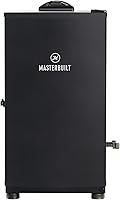
The heating element cycles on and off to keep the cabinet at your set temperature. On the Masterbuilt 30, the digital panel takes your target temp and time up to 275°F, and the cabinet stays close to it for hours.
That matters with a cut that can take 12 to 18 hours. On an offset or charcoal smoker you would be feeding fuel and watching a dial all day.
Here you load chips, close the door and check the meat.
Electric units also run clean and simple on a porch or patio with just a corded outlet. If you're still weighing fuel types, our comparison of charcoal vs electric smoker trade-offs covers the differences in flavor, effort and cost.
What cut of brisket should you buy?
Buy a whole packer brisket if you can, because the flat and the point cook together and stay moist. A flat alone dries out faster, so it needs more wrapping and a shorter cook.
A packer usually weighs 10 to 16 lb and comes with a thick fat cap. Trim the cap down to about 1/4 inch so it renders and bastes the meat without turning greasy.
Leave the rest of the fat and the deckle intact.
Look for meat that bends easily and has a deep red color. A choice or prime grade with good marbling gives you more room for error on a long cook.
If you only find a flat, pick the thickest one you can and plan to wrap earlier. Trim hard fat and silver skin from the surface so the rub reaches the meat.
How do you trim and season the brisket?
Trim the fat cap to about 1/4 inch and remove any hard fat or silver skin, then coat the meat in a simple salt and pepper rub. Do this the night before if you can, so the seasoning settles.
Work with a sharp knife and take your time. A even fat layer bastes the flat as it renders, while thick pockets of hard fat never melt and leave greasy bites.
For the rub, a 50/50 mix of coarse black pepper and kosher salt is the classic central Texas approach. Add garlic powder or paprika if you like, but keep it light so the beef and smoke lead.
Apply the rub to all sides and let the brisket sit uncovered in the fridge overnight. The surface dries slightly, which helps the bark form once it hits the smoke.
How do you set up an electric smoker for brisket?
Fill the water bowl, load 2 to 3 wood chunks in the chip tray, set the temp to 225°F and let the cabinet come to temperature before the meat goes in. A preheated smoker starts the cook evenly.
Water in the bowl adds moisture and helps keep the flat from drying during the long cook. The removable bowl on the Masterbuilt lets you swap in apple juice or broth for a different flavor note.
Use hardwood chunks rather than chips for a brisket. Chunks burn longer and give a cleaner smoke over 12 hours, and the side loader lets you top up without losing heat.
Place the brisket fat side up on a middle rack with space around it for air to move. Insert a probe thermometer into the thickest part of the flat before you close the door.
Which smoker and gear does this job well?
The Masterbuilt 30 gives you 710 square inches across four chrome racks, enough for a whole packer on one level and room to spare. Its side chip loader is the feature that matters most for a long brisket cook.
The TempPro TempSpike tracks the meat from up to 500 ft away, so you can watch the internal temperature from the kitchen instead of hovering by the cabinet. Its probe handles heat up to 572°F ambient and the app sends custom alerts when the meat hits your target.
Weber hickory chunks give brisket the rich, subtly sweet smoke most backyard cooks expect. Hickory is a strong wood, so two or three chunks is plenty to start.
If you haven't settled on a cabinet yet, our guide to the smoker for brisket weighs vertical electric units against other styles.
How long does a brisket take at 225°F?
Plan on 1 to 1.5 hours per pound at 225°F, so a 12-pound packer runs 12 to 18 hours. The time depends on the meat, the cabinet and how often the door opens.
The internal temperature will climb steadily, then stall somewhere around 150 to 170°F as moisture evaporates from the surface. The stall can last several hours and is normal.
Don't turn up the heat to push through it. Hold 225°F and let the brisket work through the stall, or wrap it to speed the process along.
Use the thermometer, not the clock, to decide when the meat is done. Start checking internal temperature around hour 10 on a 12-pound brisket and plan your day around the finish.
When and how should you wrap the brisket?
Wrap when the bark is dark and set, usually around 165°F, using butcher paper or foil. Wrapping traps moisture and pushes the meat past the stall.
Butcher paper lets some steam escape and keeps the bark crisp. Foil traps more moisture and speeds the cook, but the bark softens.
Pick paper for bark, foil for a faster finish and a softer crust.
Lay the brisket on a large sheet, fat side up, and wrap tightly. Return it to the smoker at 225°F until the internal temperature reaches 195 to 205°F and a probe slides in with little resistance.
If you wrap in foil, add a splash of beef broth or a pat of butter to the packet. That little bit of liquid steams the flat and helps it stay juicy.
How do you know when the brisket is done?
The brisket is done when the internal temperature reads 195 to 205°F and a probe slides into the flat like butter. Temperature alone can mislead, so check the feel too.
Probe the thickest part of the flat in several spots. The probe should go in with almost no resistance.
If it still feels tight, give it another 30 to 60 minutes.
Let the brisket rest wrapped in a towel inside a cooler for at least an hour, and up to three. The rest lets the juices settle so they don't run out when you slice.
Slice against the grain and separate the flat from the point first. Cut the flat into pencil-thick slices and cube the point for burnt ends if you like.
What are the common mistakes with electric brisket?
The most common mistakes are opening the door too often, oversmoking and pulling the meat by time instead of temperature. Avoid those three and most briskets come out well.
The side chip loader exists so you can add wood without losing heat. Use it, and keep the door shut except to wrap or probe.
Go light on the smoke. Hickory and mesquite are strong woods, and a long cook with too much smoke turns the bark bitter.
Two or three chunks to start and small additions later is enough.
Don't skip the rest. A brisket sliced straight off the smoker loses its juices and eats dry.
An hour in a cooler makes a real difference.
How do you slice and serve the brisket?
Separate the flat from the point, slice the flat against the grain and serve it warm with the bark intact. The point is fattier and often cubed into burnt ends.
Find the grain direction before you start cutting. The flat's grain usually runs lengthwise, so cut across it in pencil-thick slices.
Slicing with the grain leaves long, chewy strands.
Serve sliced brisket on a board or in sandwiches with pickles, onions and sauce on the side. Leftovers keep in the fridge for a few days and reheat gently with a splash of broth.
Pairing the right wood matters as much as the rub. Our bbq smoker guide covers how electric, charcoal and propane cabinets handle long cooks like this one.
What should you know before your first electric brisket?
Start with a packer brisket, hold 225°F, use the side loader for wood and pull at 195 to 205°F internal. The rest is patience and a good thermometer.
The Masterbuilt 30 handles a long brisket cook with steady digital heat and its patented side chip loader. The TempPro TempSpike lets you watch the internal temperature from indoors.
Weber hickory chunks give the beef the smoke flavor it wants.
When you're ready to compare cabinets for this kind of cook, our roundup of electric smoker for brisket picks covers size, controls and chip loading. With the right setup, how to smoke a brisket electric smoker style comes down to holding temperature and waiting for the probe to slide in easy.
Frequently asked questions
How long does a brisket take in an electric smoker?
Plan on 1 to 1.5 hours per pound at 225°F, so a 12-pound packer brisket runs about 12 to 18 hours. Cook to internal temperature and feel rather than the clock, and allow extra time for a long stall.
Should the fat side be up or down in an electric smoker?
Put the fat side up so it bastes the meat as it renders. In a vertical electric smoker the heat rises from below, so the fat cap also shields the flat from the strongest heat.
How much wood do you use for a brisket?
Start with 2 to 3 fist-sized chunks and add more through the side loader as the smoke thins. Brisket takes a lot of smoke, but oversmoking turns the bark bitter, so keep additions modest and spread out.
Can you finish a brisket in the oven?
Yes. Once the bark is set and the meat is wrapped, an oven at 225°F finishes it just as well.
The smoke flavor is already in the meat, so the smoker is not needed for the rest of the cook.